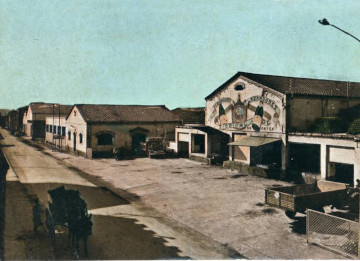
Més de cent anys de tradició vitivinícola arrelada al territori, al paisatge i al poble d’Artés. Una essència i un tarannà propi que es transmet de generació en generació. L’amor per la terra amb la mirada d’esforç i treball compartit.
A l’Agrobotiga hi trobaràs productes de proximitat de gran qualitat: Des de vins o fruita i verdura fins a elaborats làctics o càrnics. És un espai per descobrir productors respectuosos amb el territori i amb l’entorn i una bona oportunitat per contribuir amb un model econòmic més sostenible i circular. Tasta el territori amb els nostres productes!
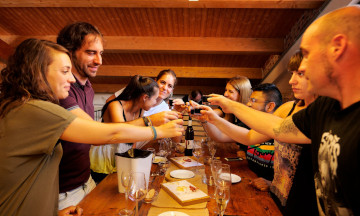
L’Espai ARTIUM és el lloc ideal on trobar-se amb els amics i la família per degustar els productes extraordinaris elaborats al nostre celler i acompanyar-los dels millors formatges i embotits del territori. És un espai sorprenent on conflueix la gastronomia amb l’art, la cultura, el debat i la reflexió.
Descobreix la màgia i els secrets que amaga el nostre celler! Més d’un segle de tradició vitivinícola i molts sotracs i històries de superació que fan únic el Celler Cooperatiu d’Artés. T’oferim un grapat de propostes enoturístiques perquè descobreixis la nostra història i gaudeixis dels nostres vins i caves. T’ho perdràs?
(Viver de)Celleristes
Ara el Celler Cooperatiu d’Artés obre les seves portes als vinyaires que vulguin elaborar el seu propi vi. És una oportunitat excepcional per endinsar-se en el món de la viticultura i ser-ne part activa. Tindràs a la teva disposició tota la maquinària necessària per elaborar un vi de qualitat.


 arrelada al territori, al paisatge i al poble d’Artés. Una
  propi que es transmet de generació en generació. L’amor per la terra amb la mirada d’esforç i treball compartit.

